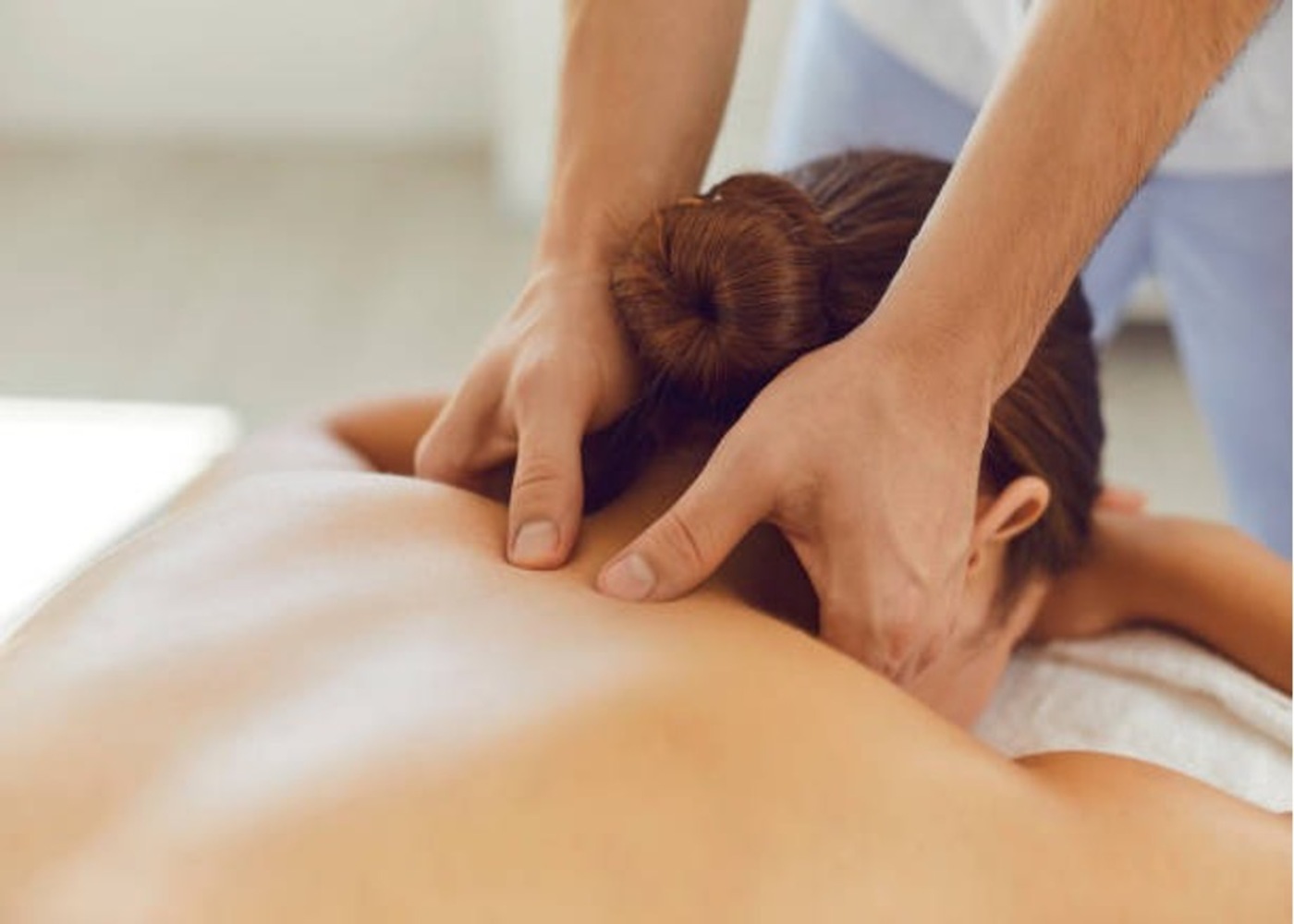
Last Thursday at 10:40 PM, a 48-year-old CEO of a logistics firm headquartered in DIFC messaged me from his Address Downtown residence. His message was short: "Need a THAI MASSAGE DUBAI session tonight. Board meeting tomorrow at 8 AM. Haven't slept properly in three days."
This is my seventh session with him in nine weeks. He's not unusual. Over the past two years delivering traditional Thai bodywork across Business Bay, Emirates Hills, Palm Jumeirah, and Downtown, I've noticed a specific pattern — Dubai's top executives don't book Swedish massage, aromatherapy, or hot stone treatments as their regular weekly ritual. They book Thai. Consistently. Usually late at night. Often before high-stakes meetings. And they rarely talk about it publicly.
After treating 40+ senior executives from finance, real estate, technology, and family conglomerates, I can explain exactly why.
The CEO Body Problem Nobody Discusses
A typical Dubai CEO sits through 6-8 hours of meetings daily, makes 40-60 decisions before lunch, and carries the cognitive weight of hundreds of employees' livelihoods. This creates a specific physical pattern I see repeatedly on my treatment mat:
Locked psoas muscles from prolonged sitting that creates subtle lower back compression. Frozen thoracic spine that affects breathing depth. Tight suboccipital muscles at the skull base triggering afternoon headaches. And most importantly — a nervous system stuck in sympathetic overdrive for months, sometimes years.
Standard massage techniques address surface muscles. They feel pleasant. They don't solve this.
Why Thai Bodywork Outperforms Other Modalities for High Performers
Thai massage — the authentic 2,500-year-old Nuad Bo Rarn system originating from Wat Pho in Bangkok — operates on sen lines, the body's energy pathways. But the biomechanical results are measurable regardless of whether you believe in the energy system.
The assisted stretching releases psoas and hip flexor restrictions that 10 years of sitting created. The rhythmic compression along meridians activates the parasympathetic nervous system faster than passive massage. The deep pressure points along spinal segments reset postural patterns. And the full-body mobilization — something no oil-based massage achieves — restores range of motion lost to desk-based work.
For executives running multi-million dirham operations, this matters. A frozen ribcage reduces oxygen intake, which reduces decision-making quality. A locked pelvis triggers cortisol patterns that disrupt sleep. Thai bodywork addresses these structural issues in ways Swedish or aromatherapy cannot.
The Consistency Pattern
Here's what separates CEOs from typical clients: they book weekly. Never monthly. Never quarterly.
One hospitality group chairman I work with in Emirates Hills explained it simply: "I maintain my Range Rover every 5,000 kilometers. My body drives more miles than my car. Why would I maintain it less?"
His logic tracks. Research from the Harvard Business Review has linked chronic executive stress to reduced cognitive performance, measurable decision fatigue, and elevated cardiovascular risk. Weekly Thai bodywork creates what neuroscientists call autonomic resilience — the ability of the nervous system to recover quickly from stress exposure.
The CEOs I work with aren't booking massage for relaxation. They're investing in cognitive maintenance.
The Late-Night Booking Pattern
Eighty percent of my executive clients book between 9 PM and midnight. There are three reasons.
First, by that hour, their phones stop ringing. A 45-minute session at 2 PM means 10 interruptions. A 10 PM session means zero.
Second, sleep architecture matters. Thai bodywork done late triggers deep sleep more effectively than morning sessions because the parasympathetic activation carries directly into the first sleep cycle.
Third, and most practically — nobody sees them. Senior professionals managing public personas prefer wellness rituals that stay private. A therapist arriving through underground parking at 10 PM is invisible. A spa appointment isn't.
Why Traditional Thai Specifically — Not "Thai-Style"
Most Dubai spas advertise Thai massage. Very few deliver authentic Nuad Bo Rarn. The difference is training hours — authentic Thai practitioners complete 800-1,200 hours of structured education, often in Thailand. Spa versions teach "Thai-style" techniques in 40-100 hours.
CEOs recognize the difference quickly. The authentic practitioner knows where the spleen meridian runs, why the second sen line affects shoulder tension differently than the first, and how to sequence stretches for someone who hasn't moved their hips in decades. The weekend-trained therapist doesn't.
When executives find a genuine practitioner, they become loyal clients for years — because they finally feel the difference.