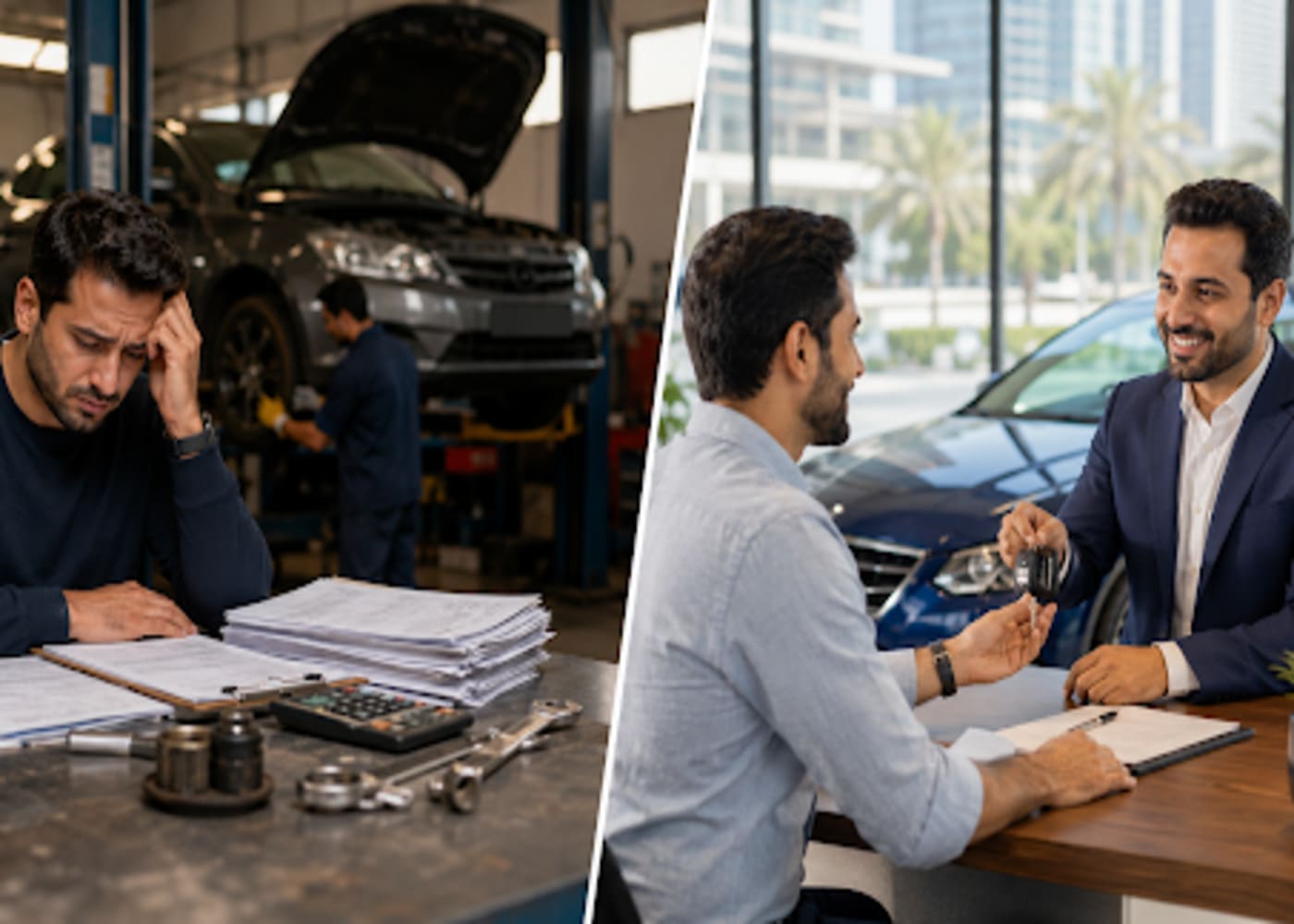
Why Fleet Vehicles in Mussafah Require More Frequent Servicing
Mussafah is one of the busiest industrial areas in the UAE. Every day, hundreds of fleet vehicles move through its roads. These include delivery vans, company cars, service trucks, and transport vehicles. Unlike personal cars, fleet vehicles rarely rest.
Because of this constant use, fleet vehicles in Mussafah require more frequent servicing. Skipping maintenance may save time for a short while, but it often leads to breakdowns, delays, and higher costs later.
Understanding why these vehicles need extra care helps businesses keep operations smooth and vehicles reliable.
High Daily Usage Increases Wear Faster
Fleet vehicles are on the road most of the day. Many of them operate for long hours with minimal downtime.
This type of usage leads to:
Faster engine wear
Quicker oil degradation
Increased brake usage
Higher stress on suspension parts
Unlike private cars, fleet vehicles do not get long rest periods. This constant movement speeds up wear on almost every component.
Industrial Driving Conditions in Mussafah
Mussafah roads are built for industrial activity. While they support heavy traffic, the environment is still challenging for vehicles.
Common conditions include:
Heavy trucks sharing the road
Uneven surfaces in industrial zones
Frequent stops for loading and unloading
Tight spaces and sharp turns
These factors increase pressure on steering systems, tires, and suspension parts. Without regular servicing, small issues quickly become major repairs.
Engine Strain From Frequent Short Trips
Many fleet vehicles make repeated short trips throughout the day. Engines do not always reach ideal operating temperature during these trips.
This causes:
Poor fuel combustion
Moisture buildup inside the engine
Faster oil contamination
Carbon deposits over time
Engines perform best during longer, steady drives. Short trips, common in fleet operations, require more frequent oil changes and inspections.
Brake Systems Wear Out Faster
Fleet vehicles stop more often than personal cars. Delivery routes, checkpoints, and loading zones all increase brake use.
This results in:
Faster brake pad wear
Increased heat in brake discs
Reduced braking efficiency
Higher safety risks if ignored
Regular brake checks are essential for fleet safety. Delayed servicing can put drivers, cargo, and other road users at risk.
Transmission Stress in Stop-and-Go Operations
Fleet vehicles often operate in stop-and-go patterns, especially in logistics and service work. This places extra stress on the transmission system.
Common effects include:
Frequent gear changes
Higher transmission heat
Faster fluid breakdown
Rough shifting over time
Automatic transmissions, which are common in fleets, need regular fluid checks to prevent early failure.
Tire Wear Due to Load and Mileage
Fleet vehicles usually carry tools, goods, or equipment. This extra load increases tire pressure and wear.
Fleet tire issues often include:
Uneven tread wear
Faster sidewall damage
Reduced grip
Higher fuel consumption
Regular tire rotation and alignment checks help extend tire life and improve safety.
Cooling Systems Work Harder Than Usual
In Mussafah’s hot climate, cooling systems are under constant pressure. Fleet vehicles running for long hours generate more heat.
Cooling system problems may include:
Coolant breakdown
Radiator stress
Hose leaks
Fan overuse
Frequent servicing helps prevent overheating and costly engine damage.
Electrical Systems Face Continuous Load
Fleet vehicles rely heavily on electrical systems. GPS trackers, scanners, lights, and onboard equipment all draw power.
This leads to:
Faster battery drain
Alternator stress
Sensor wear
Wiring fatigue
Routine electrical checks help avoid sudden failures during operations.
Downtime Costs More Than Maintenance
For businesses, vehicle downtime means lost revenue. A single breakdown can delay deliveries, affect clients, and disrupt schedules.
Regular servicing helps:
Reduce unexpected breakdowns
Improve vehicle reliability
Maintain consistent operations
Protect business reputation
Preventive care is always more cost-effective than emergency repairs.
Role of Professional Fleet Support
Fleet maintenance requires experience and planning. Many businesses rely on trusted service providers like 800Sayara, known for understanding fleet challenges in industrial areas.
Professional support ensures:
Timely inspections
Early fault detection
Consistent service records
Faster turnaround times
Choosing a reliable car workshop in Mussafah helps fleet managers keep vehicles road-ready without unnecessary delays.
Simple Maintenance Practices for Fleet Managers
Small steps can significantly improve fleet vehicle health.
Useful practices include:
Set fixed service intervals based on mileage
Track vehicle usage daily
Train drivers to report early warning signs
Rotate vehicles when possible
Keep maintenance records updated
These habits reduce long-term repair costs and extend vehicle life.
Signs Fleet Vehicles Need Immediate Attention
Fleet vehicles often show early warning signs that should not be ignored.
Watch for:
Reduced fuel efficiency
Unusual engine noises
Brake vibration or noise
Delayed gear response
Warning lights on the dashboard
Addressing these signs early prevents major failures.
Long-Term Benefits of Frequent Servicing
Frequent servicing offers clear long-term advantages for fleet operations.
Key benefits include:
Longer vehicle lifespan
Improved safety
Lower repair costs
Better fuel efficiency
Consistent business performance
Well-maintained fleets support smoother daily operations and higher customer trust.
Final Thoughts
Fleet vehicles in Mussafah operate under demanding conditions. Heavy usage, industrial roads, frequent stops, and high temperatures all contribute to wear faster. This is why regular and frequent servicing is not optional for fleets.
With proper maintenance planning, professional support, and timely inspections, businesses can protect their vehicles, reduce downtime, and maintain reliable operations in one of the UAE’s busiest industrial zones.